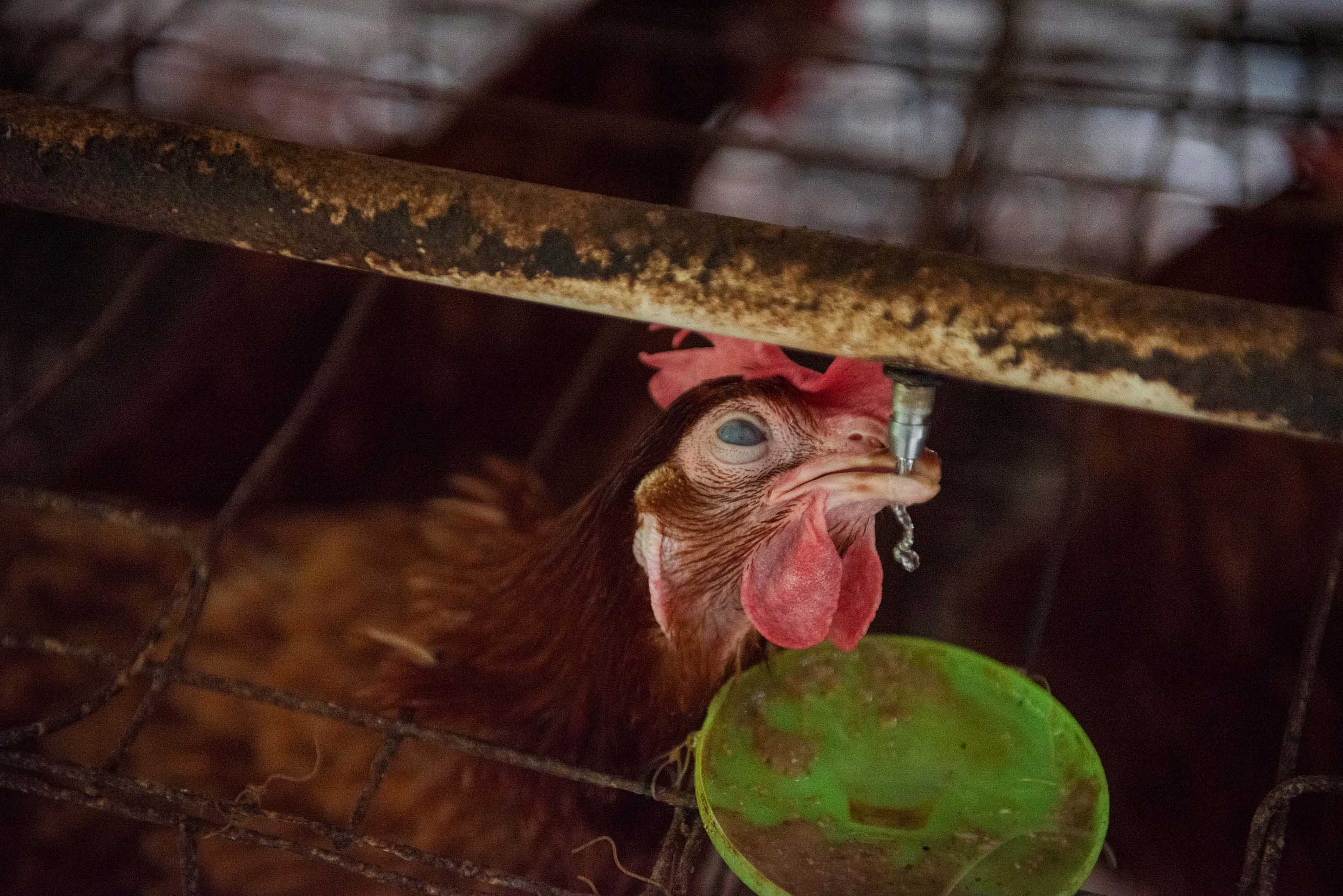
TRAPPED IN CAGES, TRAPPED IN TIME
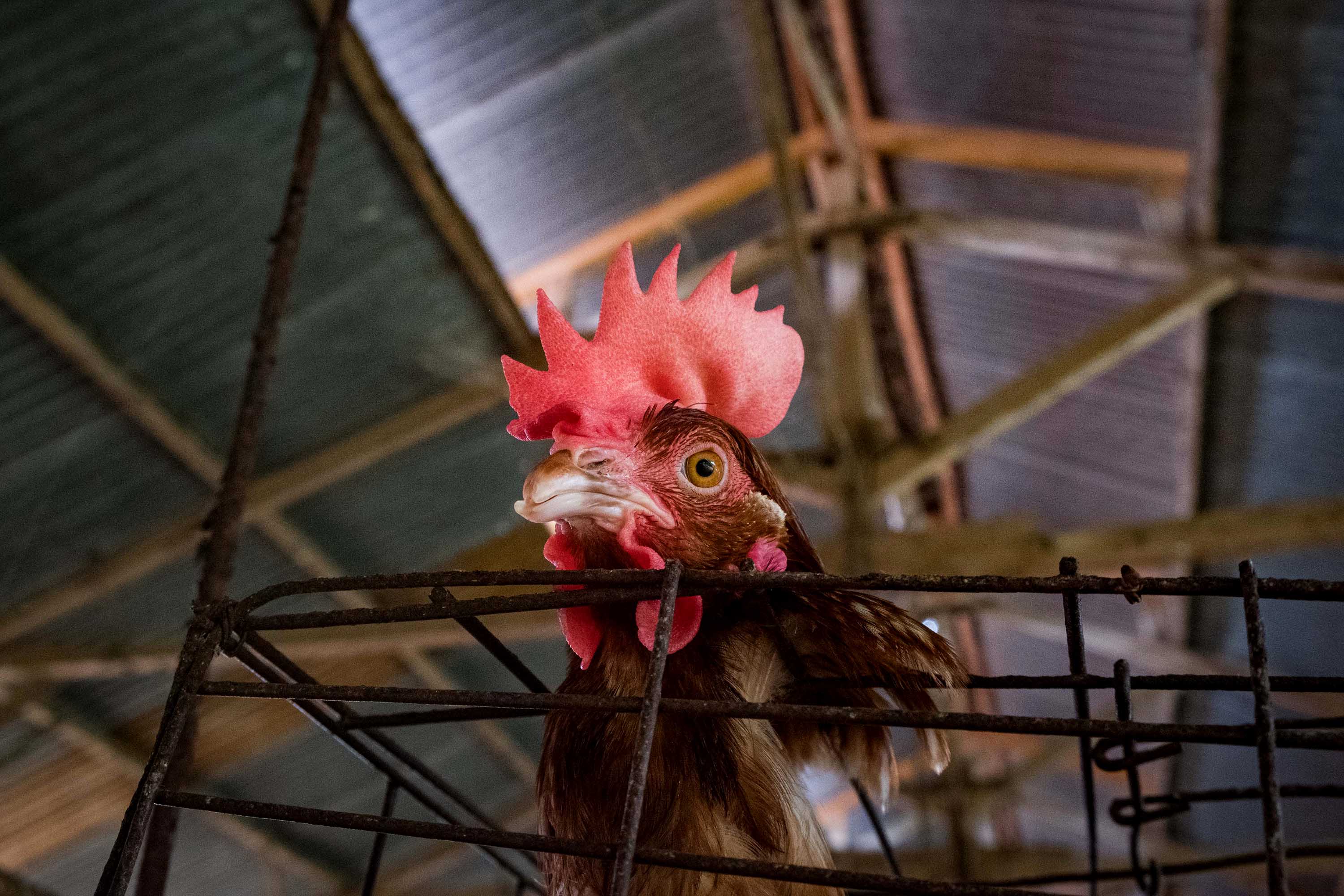
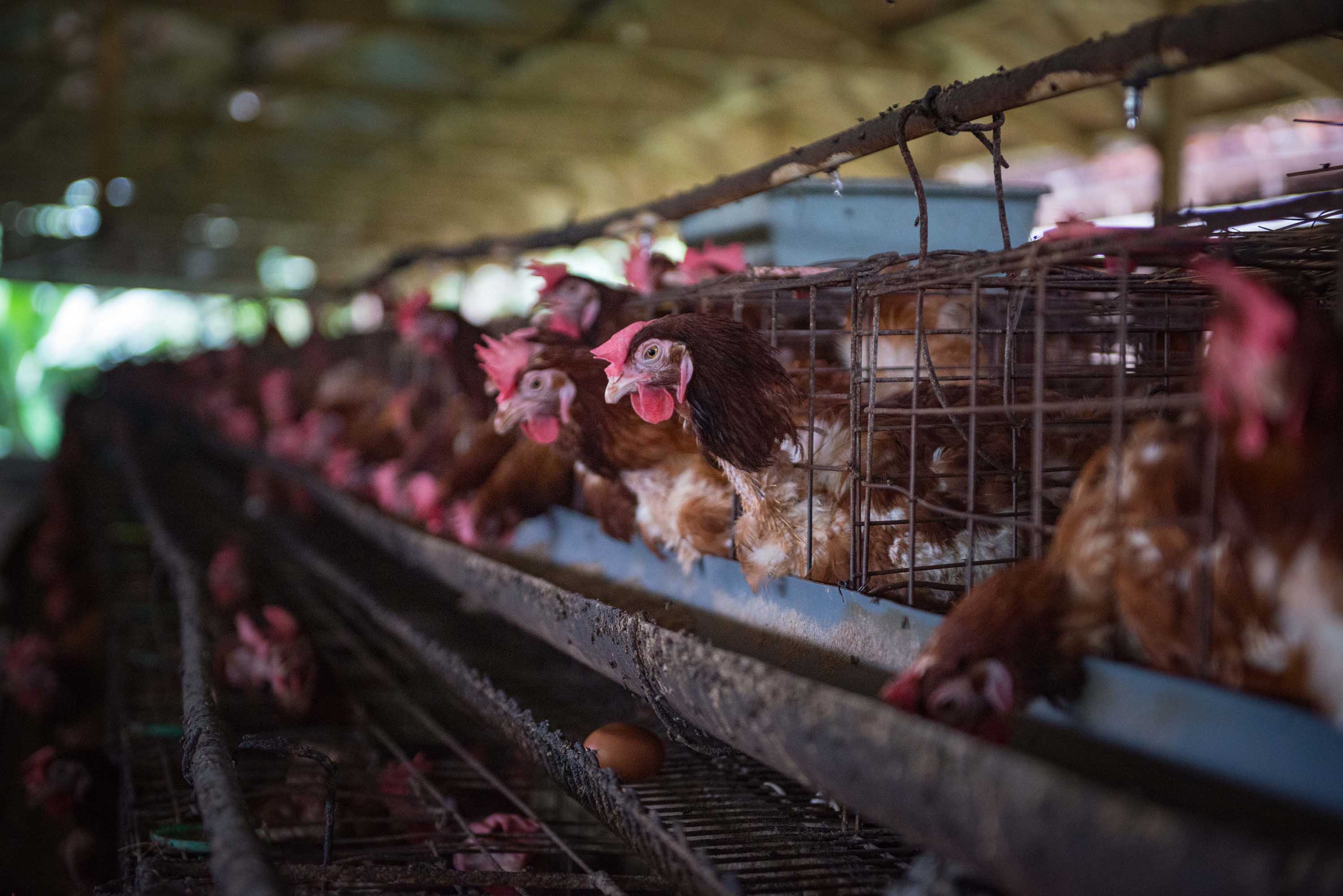
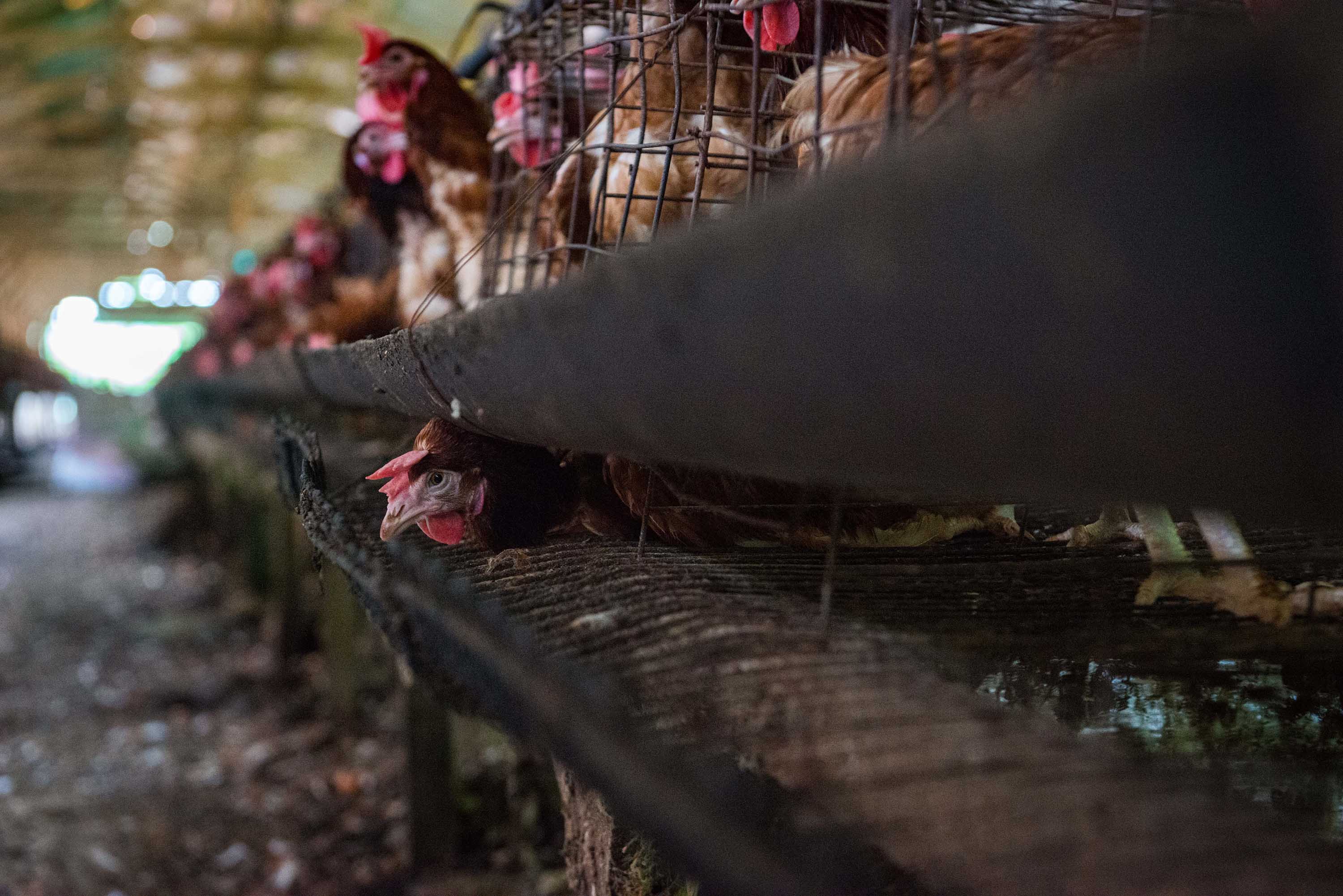
Stretching. Feet that never touched any dirt. Natural instincts like feather pecking, roaming about, and dust bathing remained unsatisfied. This was where the tension lay. Some of the chickens picked away at their feathers while others just stared blankly. They went round and round in a cycle of boredom and stress.
Underneath these cages, time appeared to be stagnant.
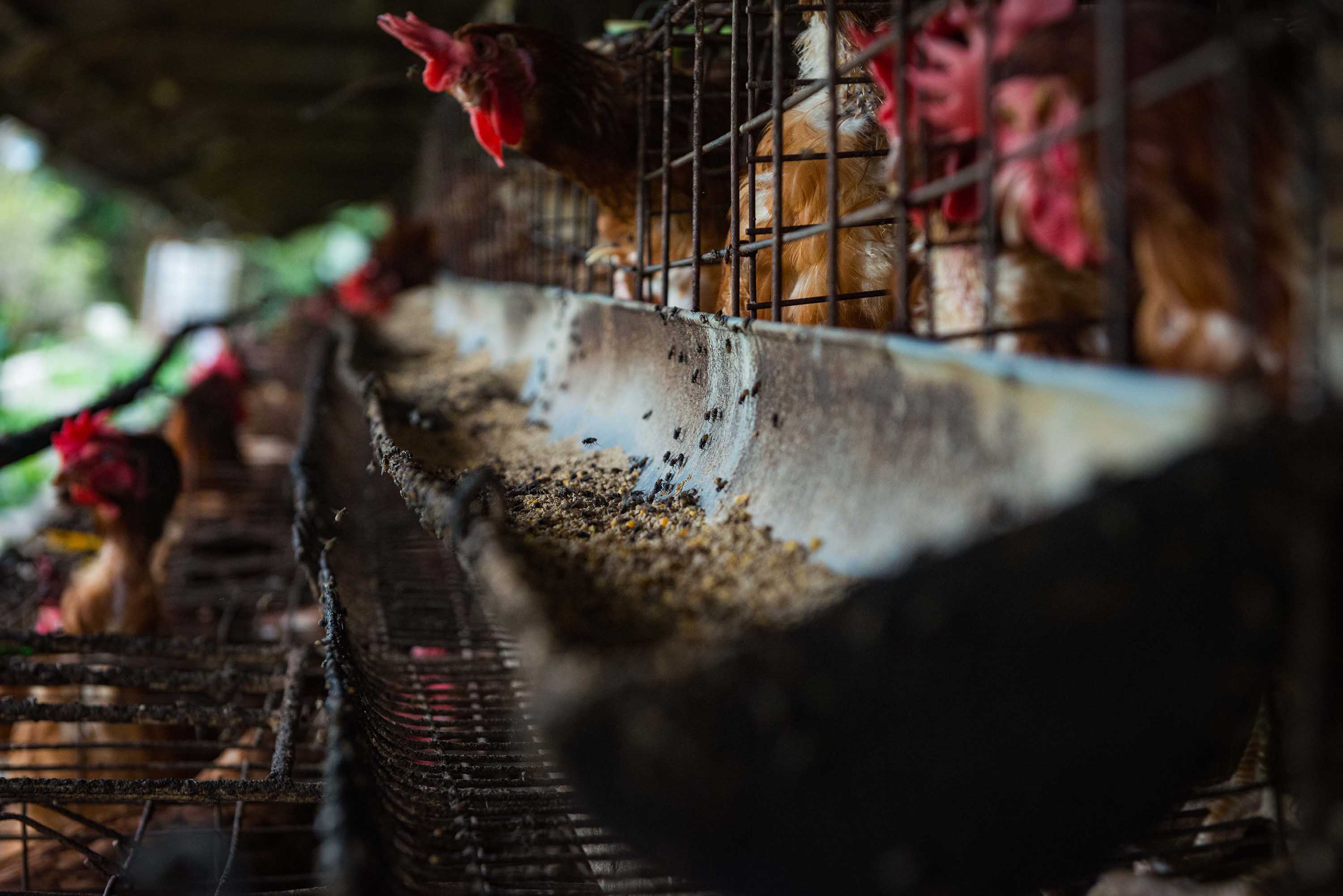
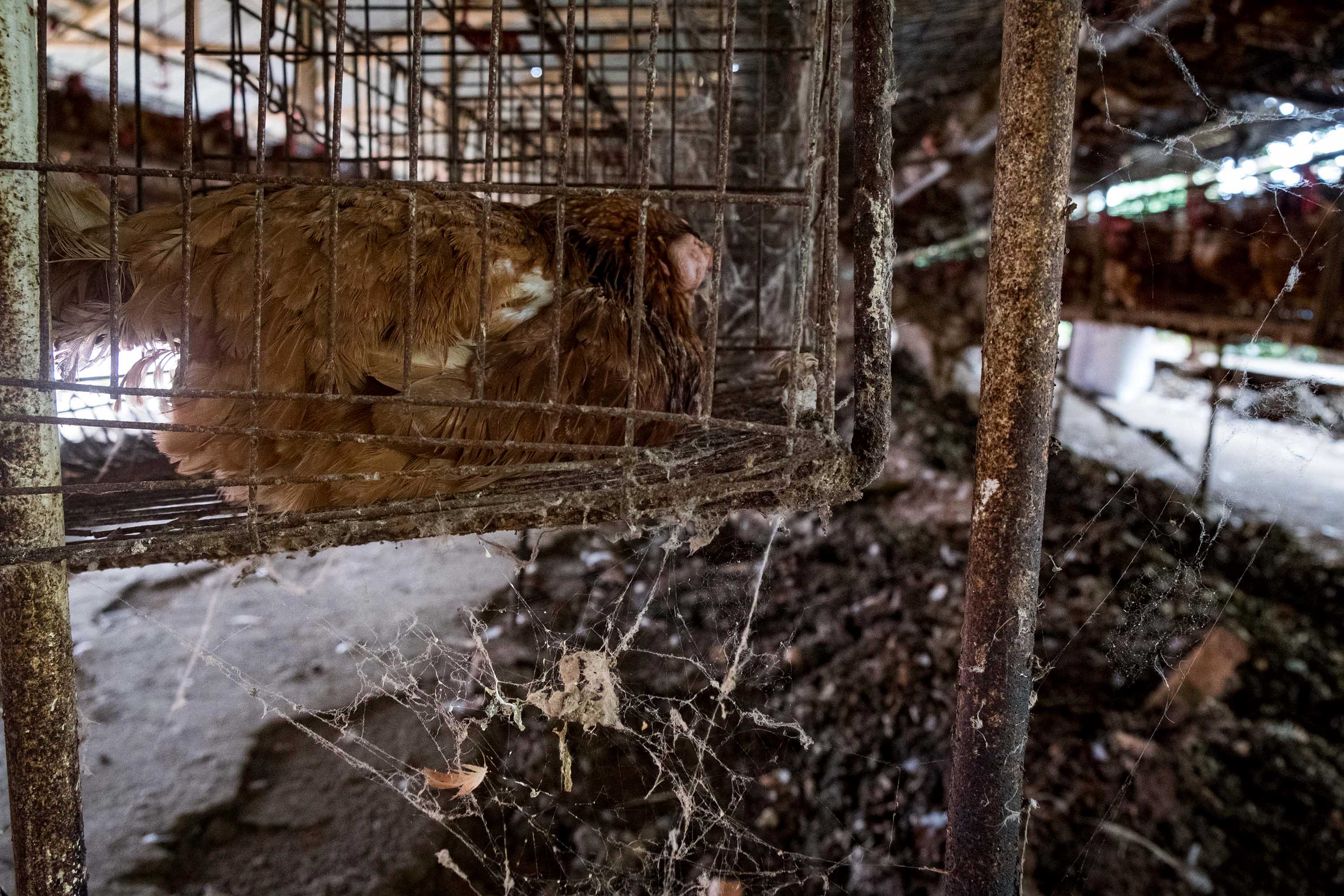
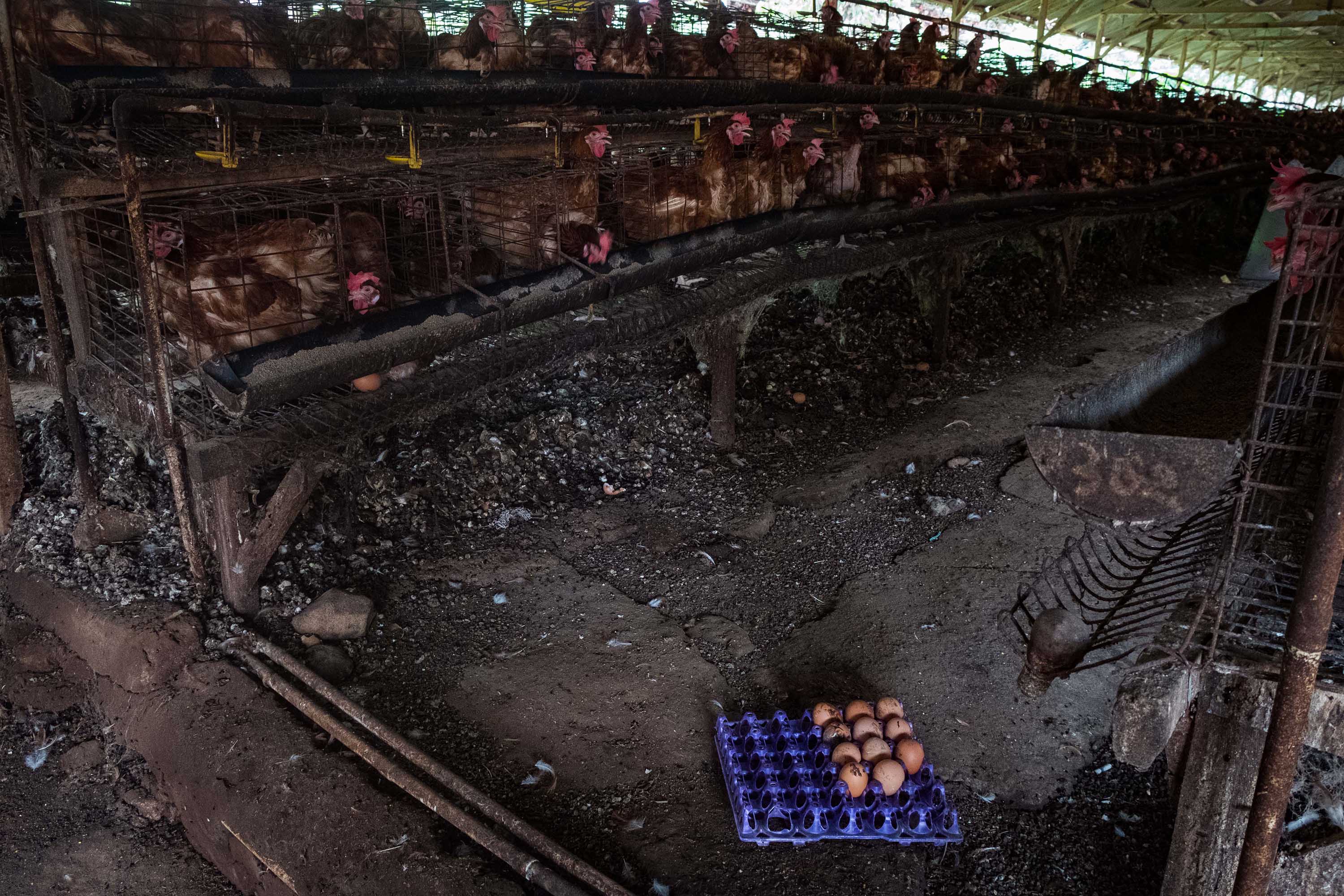
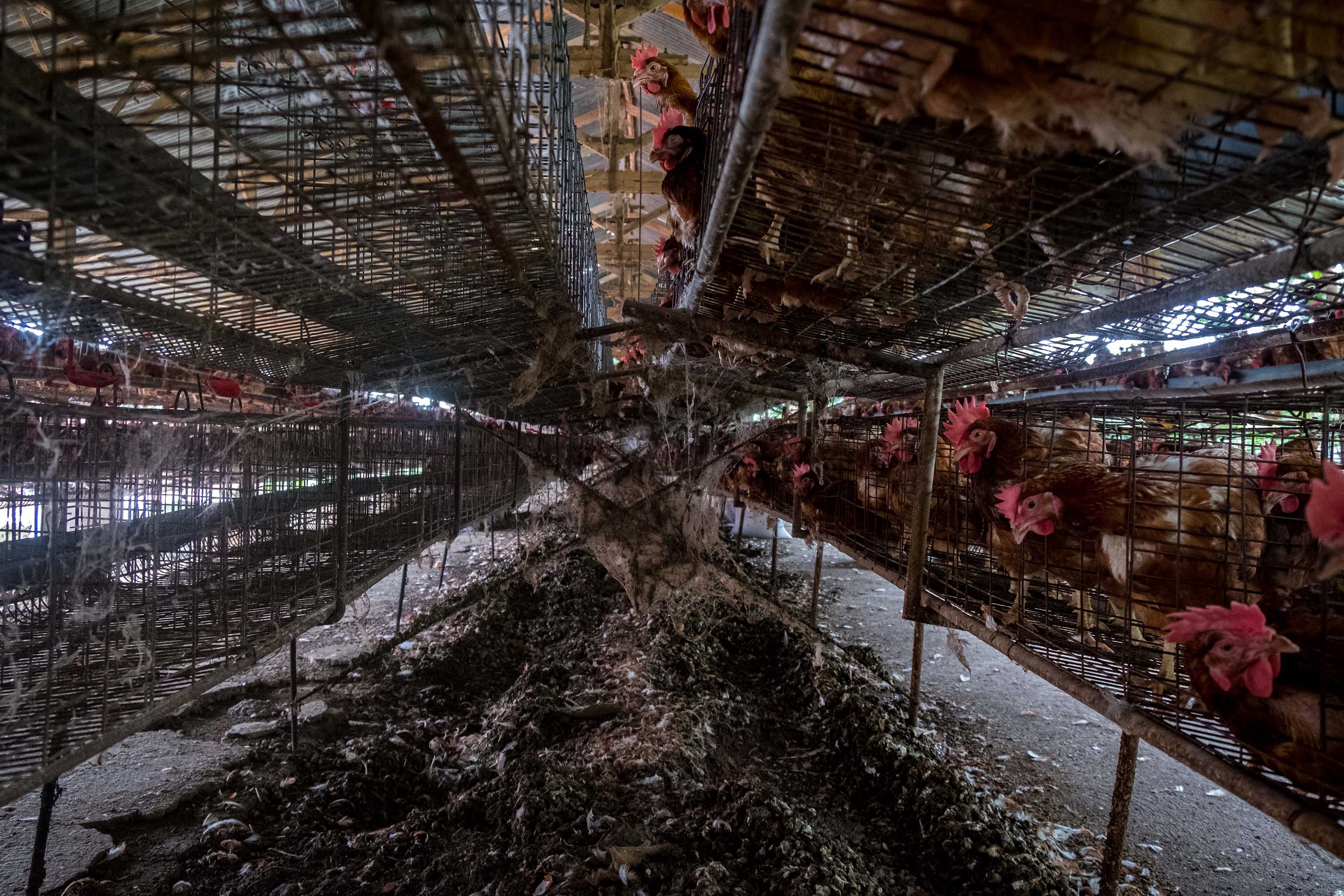
A collection of waste material piled up, untouched, giving off a pungent smell of ammonia. The cobwebs formed in the corners of the cage and the flies—which were numerous during the humid rains—hovered around in their countless numbers. They swarmed in and out of the food and water.
However, not all the chickens were equally tormented.
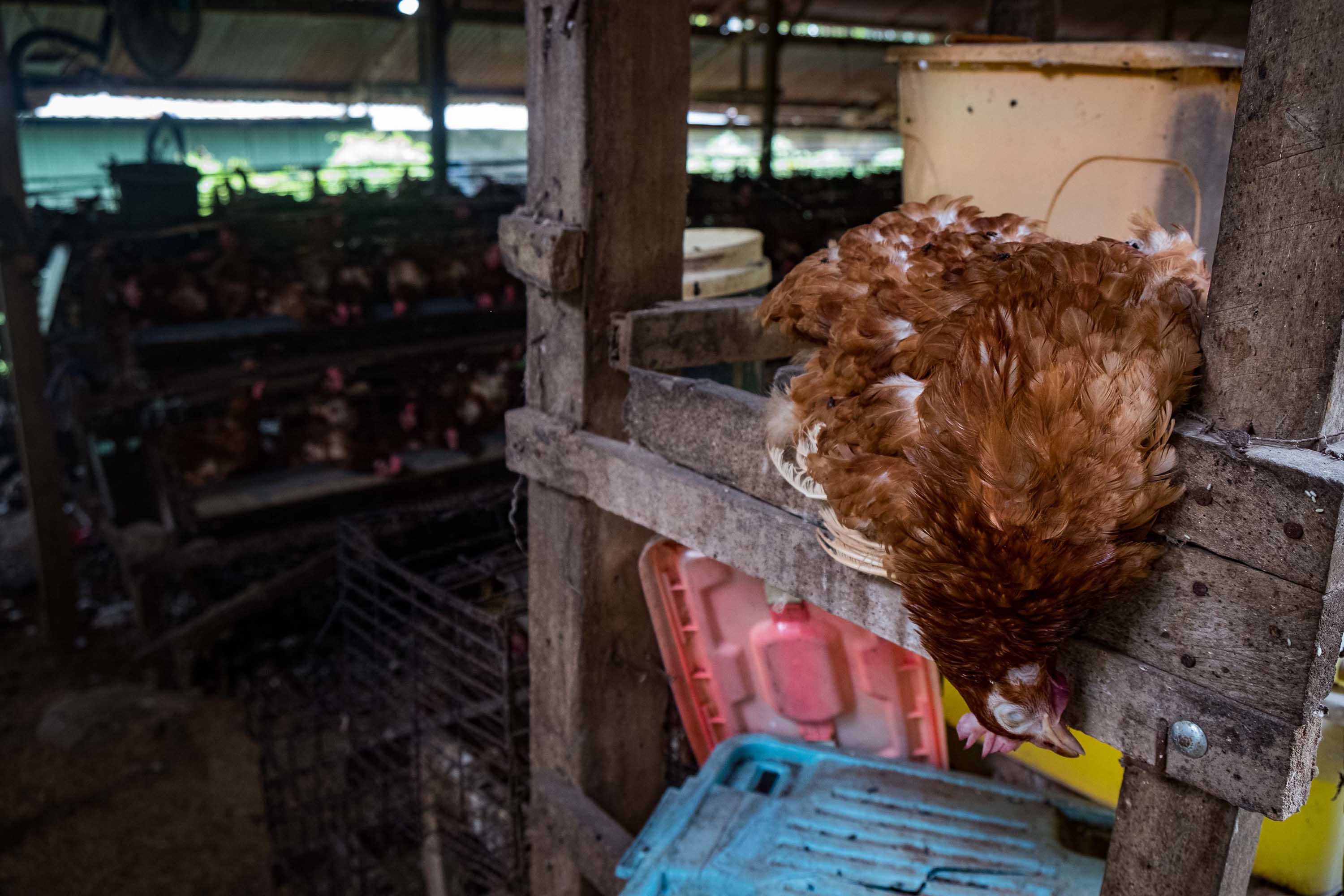
Some of them weakened while others got sick. Their eyes were either milky or swollen and their bodies were just too worn out to continue with the struggle. Some died and were buried under the living ones. The workers walked down the rows every day, taking care of their charges as much as possible. Those who were ill were separated from the healthy ones, and fed "jamu."
But time was the ultimate factor.
At about 100 weeks, as their laying rates began to decline, the hens became obsolete to the farm's objectives. Without any fuss, they were quietly disposed of, having lived out their lives on that one single farm.
And yet, the farm persisted.
Fresh hens would be introduced into the system. The rows would stay filled. The process would repeat itself, endlessly and inexorably, just past that secluded rural road.